
Doctoral research on housekeepers on farms
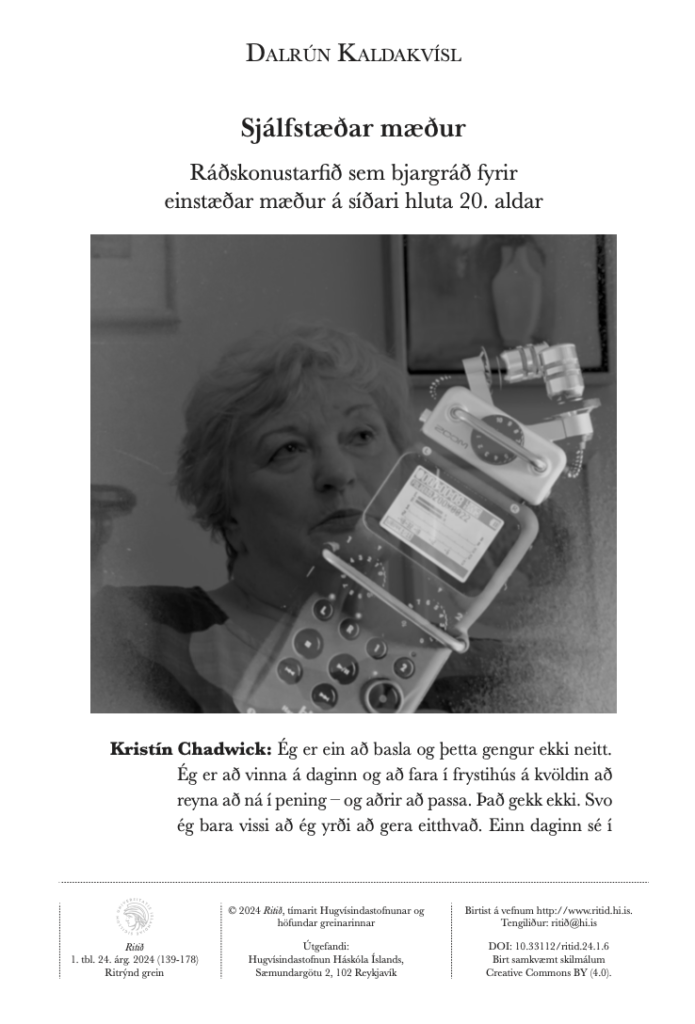
2024 – Independent mothers. Single mothers working as live-in housekeeperes | Sjálfstæðar mæður. Ritið 1/2024, bls. 139-178. Ritið is an academic journal published by The National and University Library of Iceland. –See
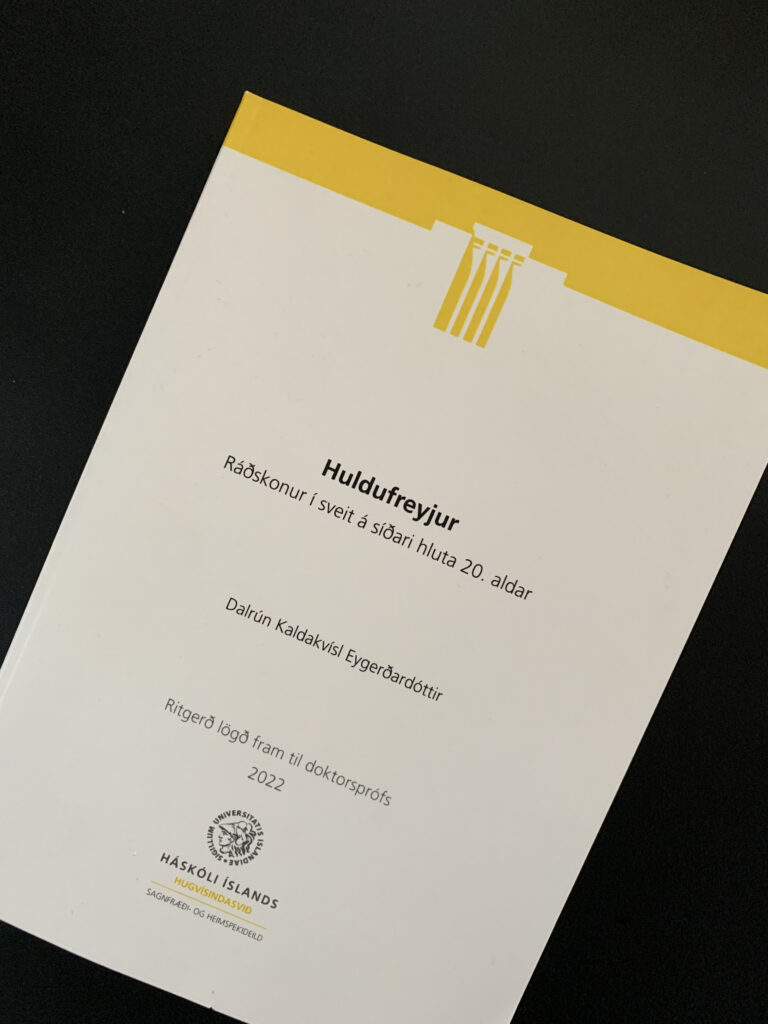
2022. Hidden history of housekeepers: Lives and labor of housekeepers in rural Iceland in the second half of the 20th century. Doctoral dissertation, University of Iceland 2022. Huldufreyjur. Ráðskonur í sveit á síðari hluta 20. aldar.
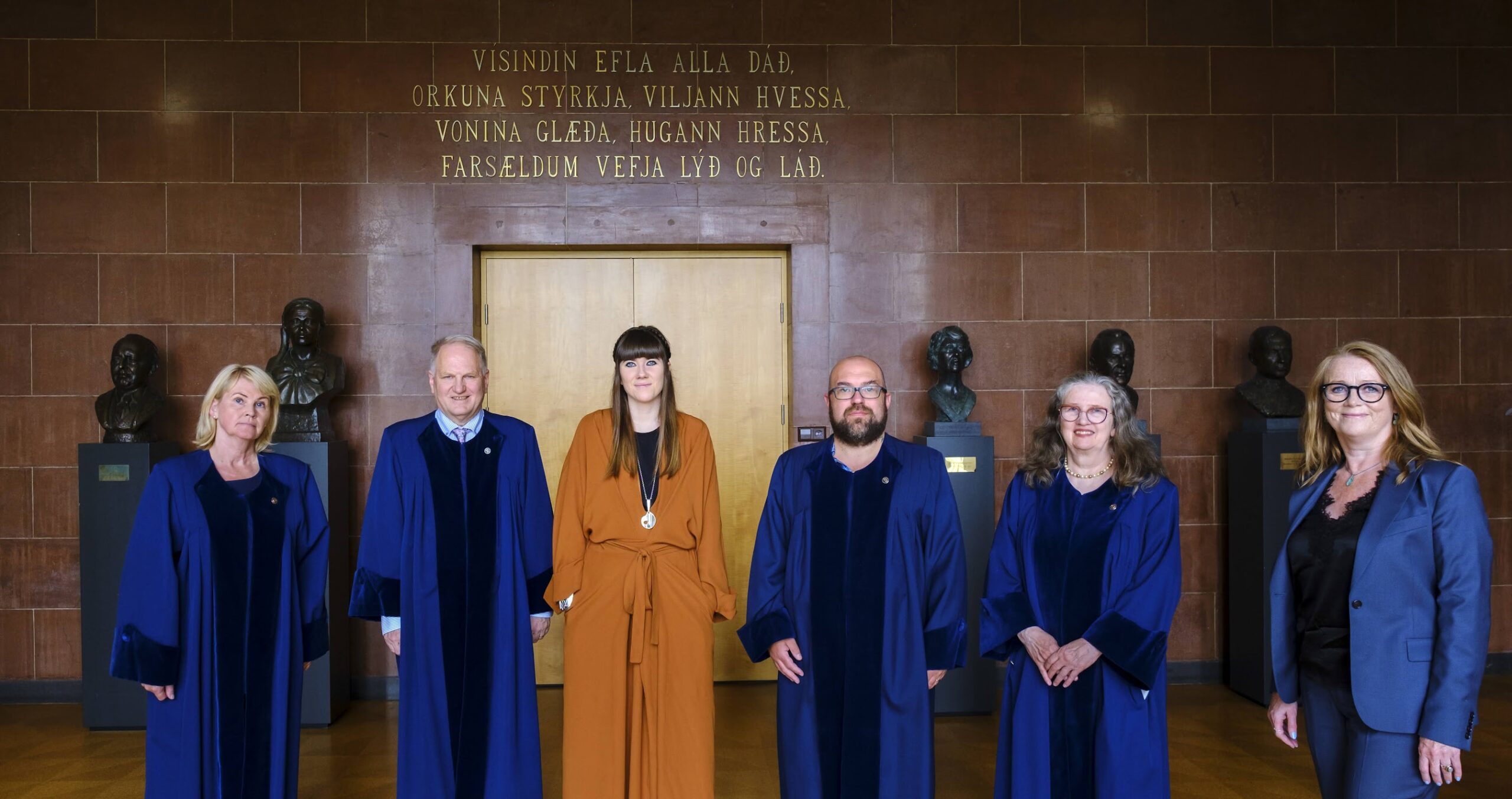
Doctoral defense. University of Iceland. Varði doktorsritgerð um ráðskonur í sveit. HÍ – See

The spoken #MeToo – Sexual violence against housekeepers employed on Icelandic farms in the second half of the 20th century. Fléttur V., 85-101. Reykjavík: Háskólaútgáfan, 2020. “#MeToo mælt af munni fram. Kynbundið ofbeldi gegn ráðskonum í sveit á síðari hluta 20. aldar” – See
Documenting Tears. Oral History Review. – See
See also a review of the article; here
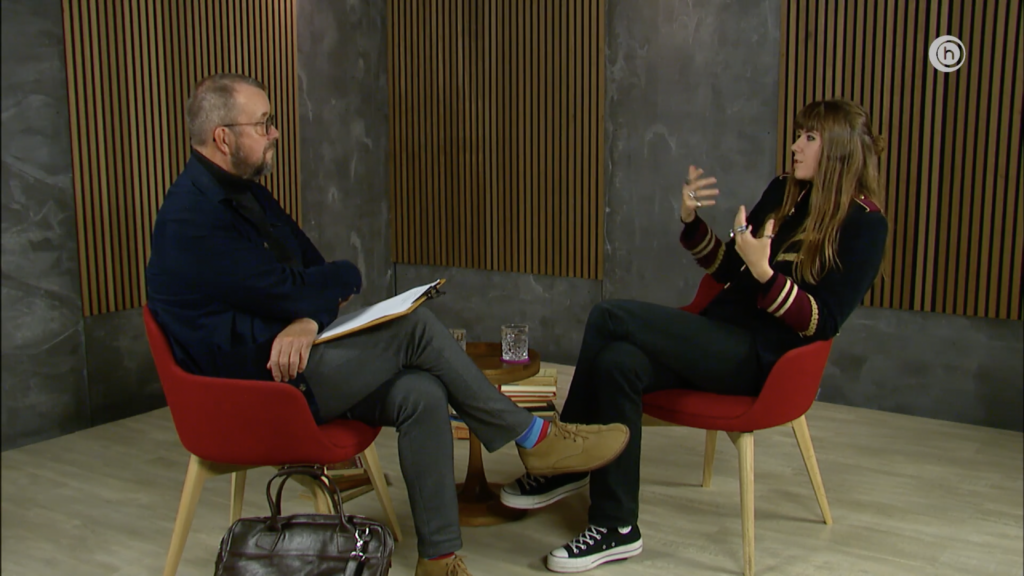
A television interview about my doctoral research on the history of housekeepers working on farms in the 19th and 20th centuries. Viðtal um ráðskonur í sveit. Heima er bezt – See
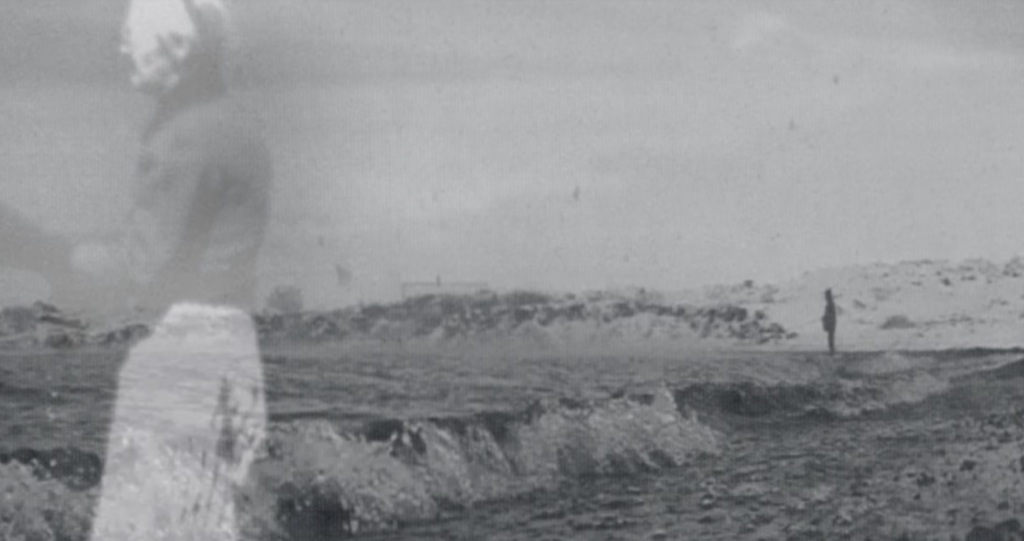
„Hvað ertu að gera, maður?“ Heimildir um kynferðisofbeldi gegn vinnukonum
“What are you doing, man?” Documentation about sexual violence against peasant maids
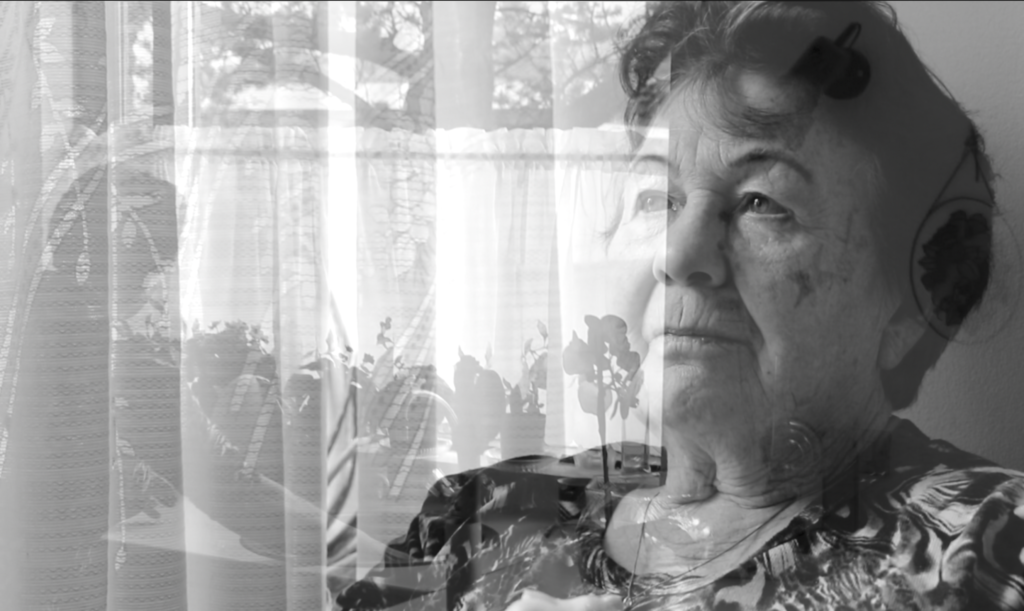
Housekeepers that worked for companies and organizations in Iceland. Radio lecture on the radio show Víðsjá. The Icelandic National Broadcasting Service (RÚV). 2.03.2022. Ráðskonur sem störfuðu utan heimila: fanggæslur, selráðskonur, rjómabústýrur og ráðskonur hjá fyrirtækjum og stofnunum.– See
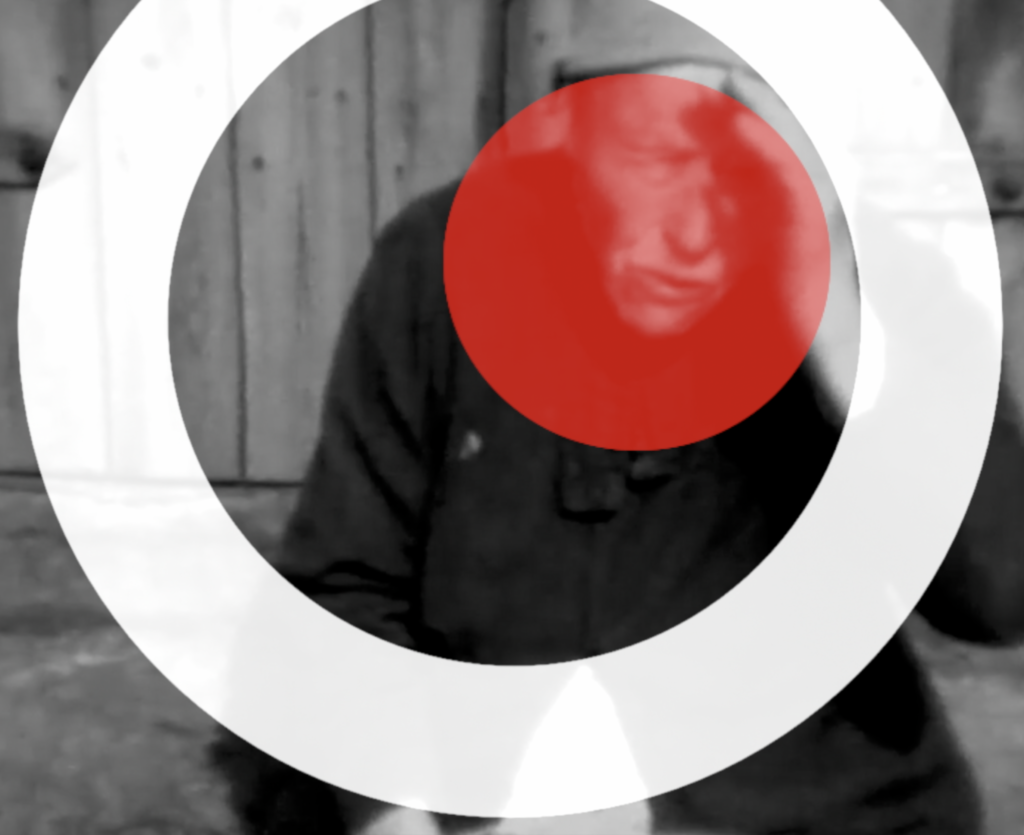
female vagrants & hermits
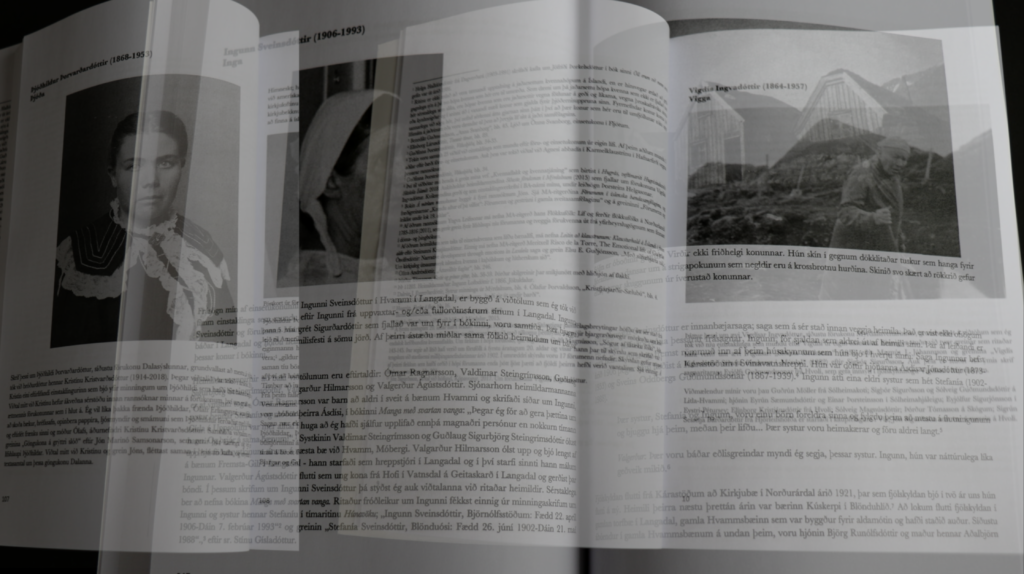
The book Marginalized Women: Female Vagrants and Hermits in Iceland (published in 2020). – Read book here
Bókin Jaðarkvennasaga. Förukonur og einsetukonur á Ísland

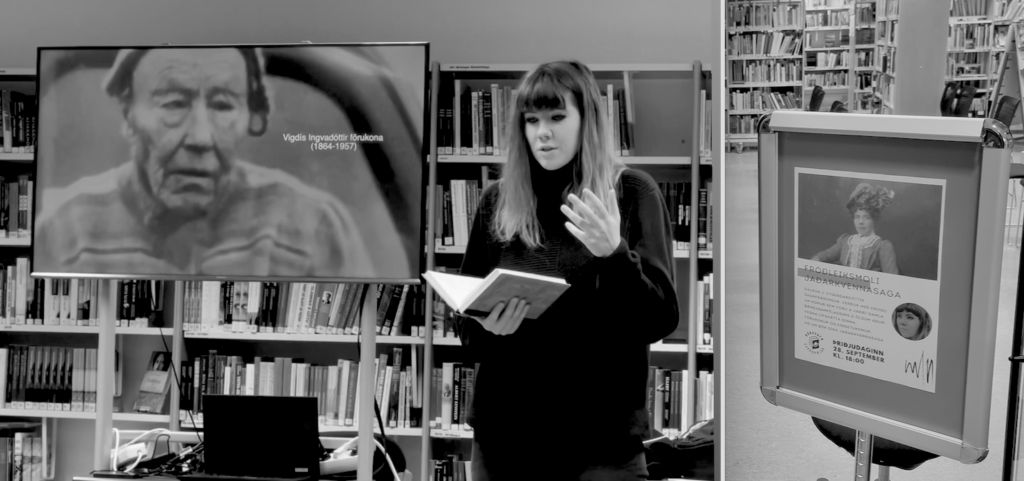
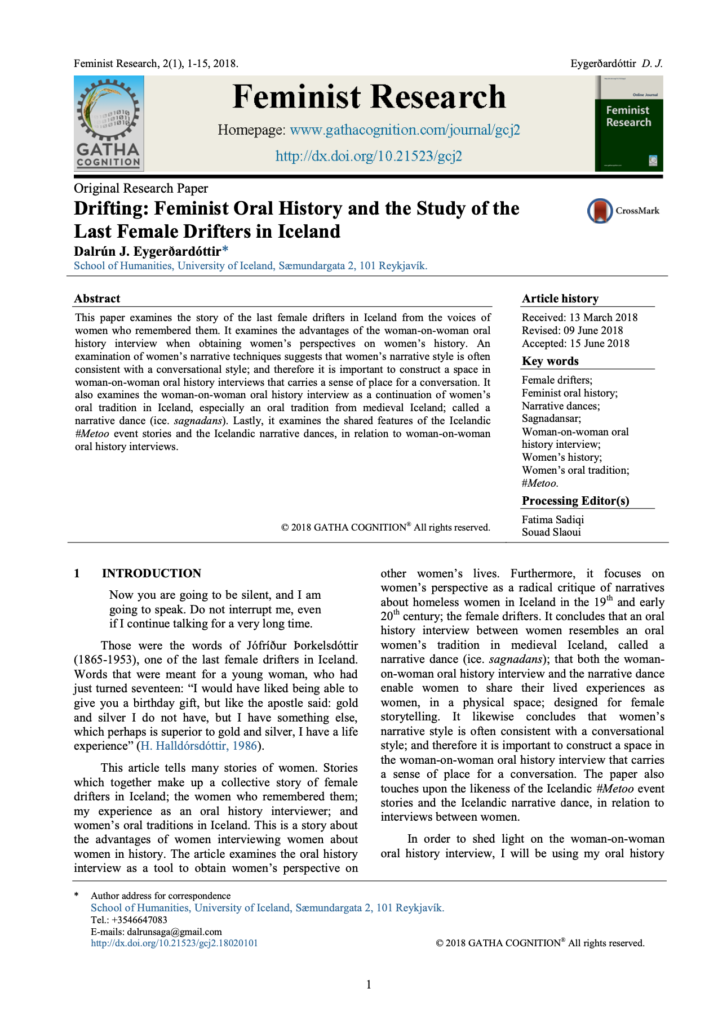
Drifting. Feminist oral history and the study of the last female drifters in Iceland, Feminist Research 2 (1) (2018). – See
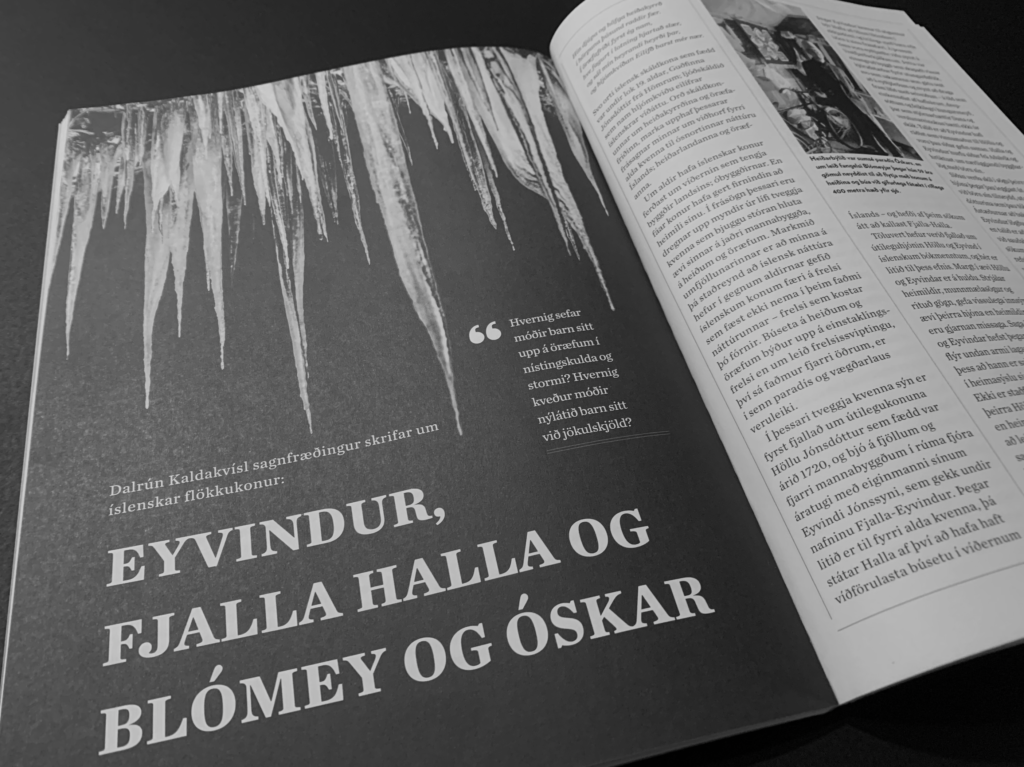
An essay examining how nature influenced marginalized women who were closely connected to the wilderness, published in Heima er Bezt. Eyvindur, Fjalla Halla og Blómey og Óskar.

The freedom of women of the past in the Icelandic wild. Radio lecture on the radio show Víðsjá. The Icelandic National Broadcasting Service (RÚV). Frelsi fortíðarkvenna á heiðum og öræfum.– See
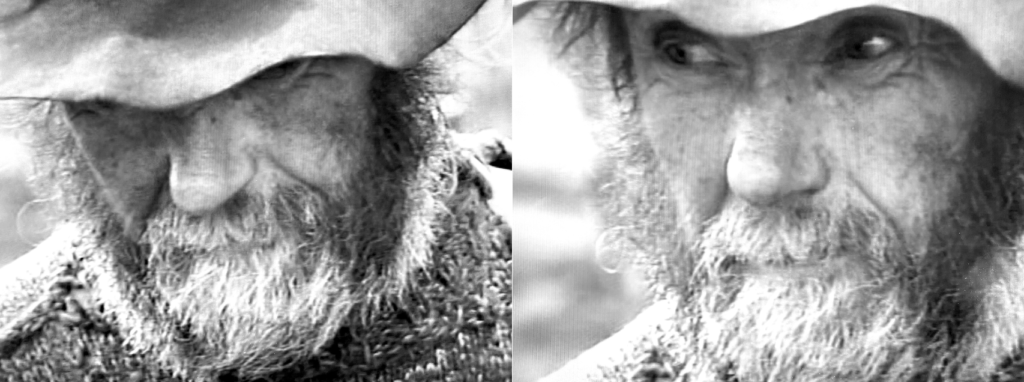
Icelandic hermits caught on film in the 20th century. Radio lecture on the radio show Víðsjá. The Icelandic National Broadcasting Service (RÚV). Einbúar í Stiklum Ómars Ragnarssonar: Einsetumenn og einsetukonur á Íslandi.
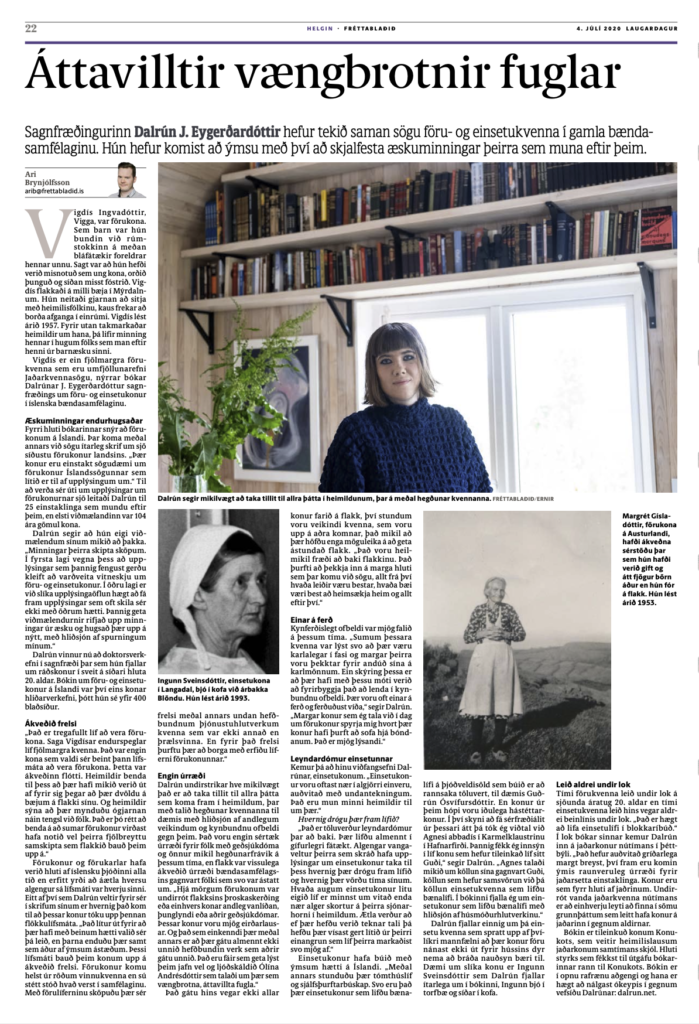
Interview about my book about the history of female vagrants and female hermits in Iceland. Viðtal um bók mína Jaðarkvennasaga. Förukonur og einsetukonur á Íslandi. Fréttblaðið.
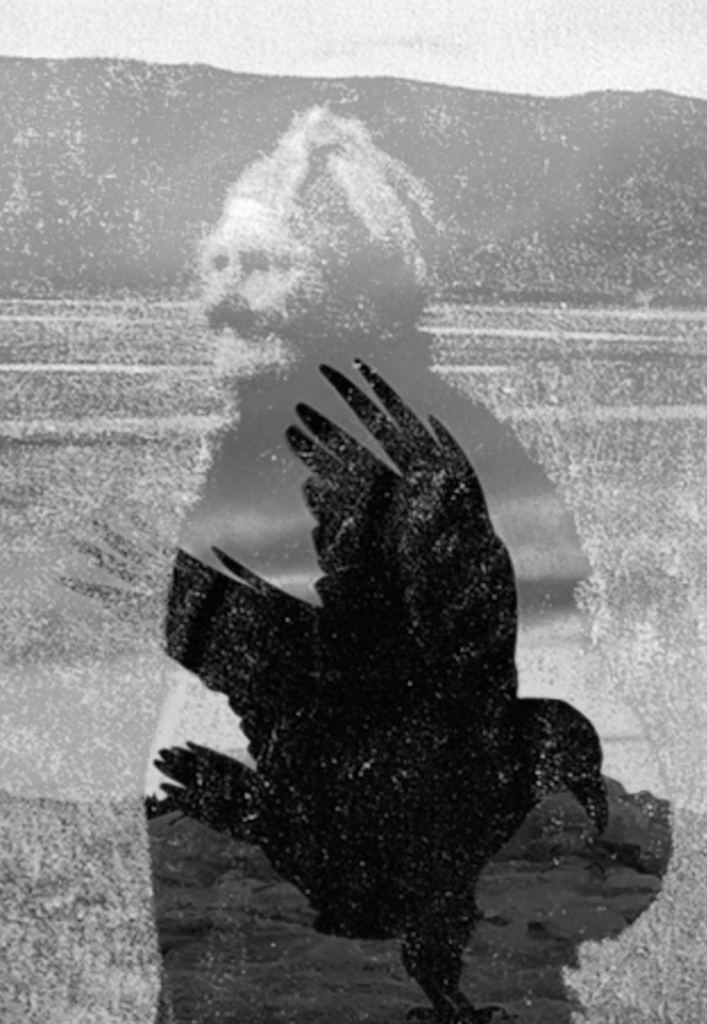
Marginalized women who fought for animal rights in the past. Radio lecture on the radio show Víðsjá. The Icelandic National Broadcasting Service (RÚV). Jaðarkonur fyrri tíma sem bættu hag dýra. Um dýravernd förukvenna og einsetukvenna. – See
Women´s expression in the past
Psychic women in Iceland | Skyggnar konur á Íslandi
#MeToo: a modern narrative dance | Nútímasagnadansinn #MeToo
City of ladies on the first floor | Kvennaborg á fyrstu hæð
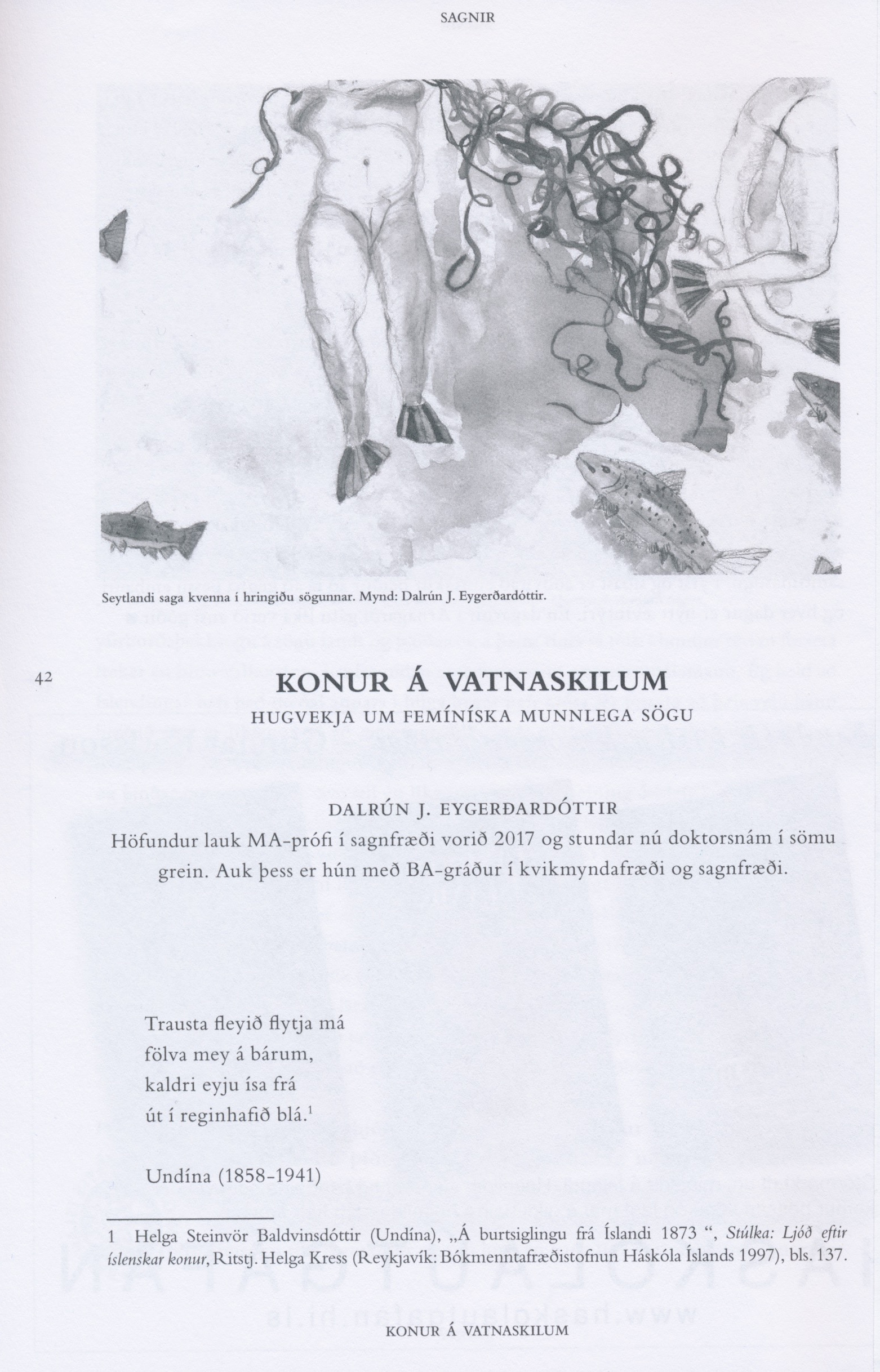
Women on the Wathershed: On Feminist Oral history, Sagnir 32 (2018), pp. 42-57 „Konur á vatnaskilum. Hugvekja um femíníska munnlega sögu“ – See
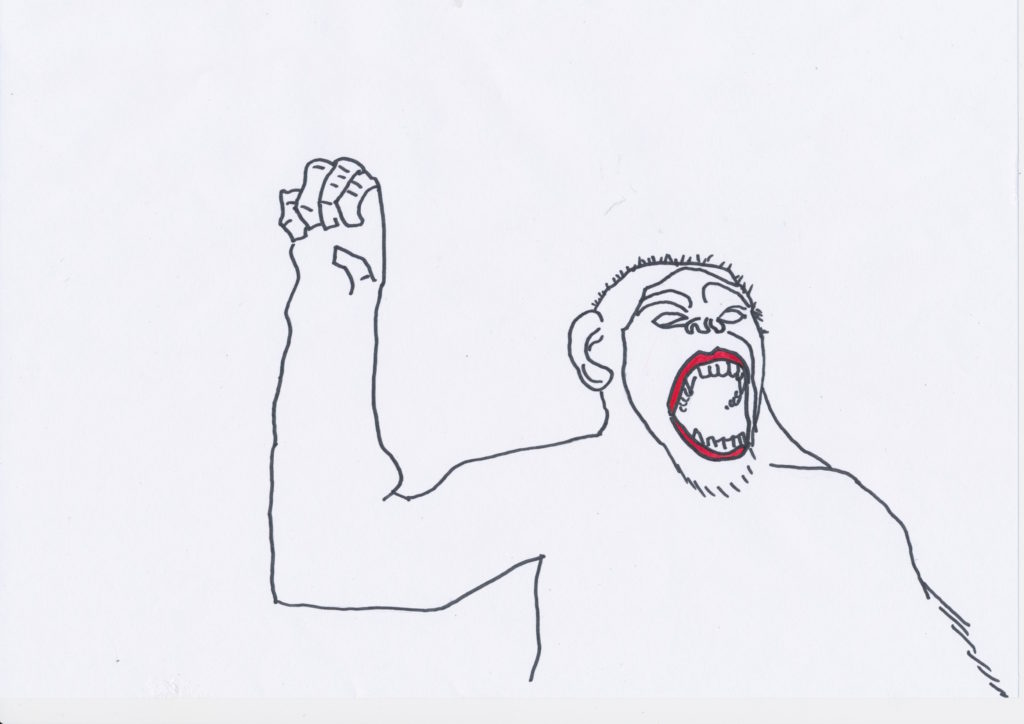
Feminist crituque of the planet of the apes | Getur þú ímyndað þér konur? Femínísk umfjöllun um vísindaskáldskap og apaplánetu
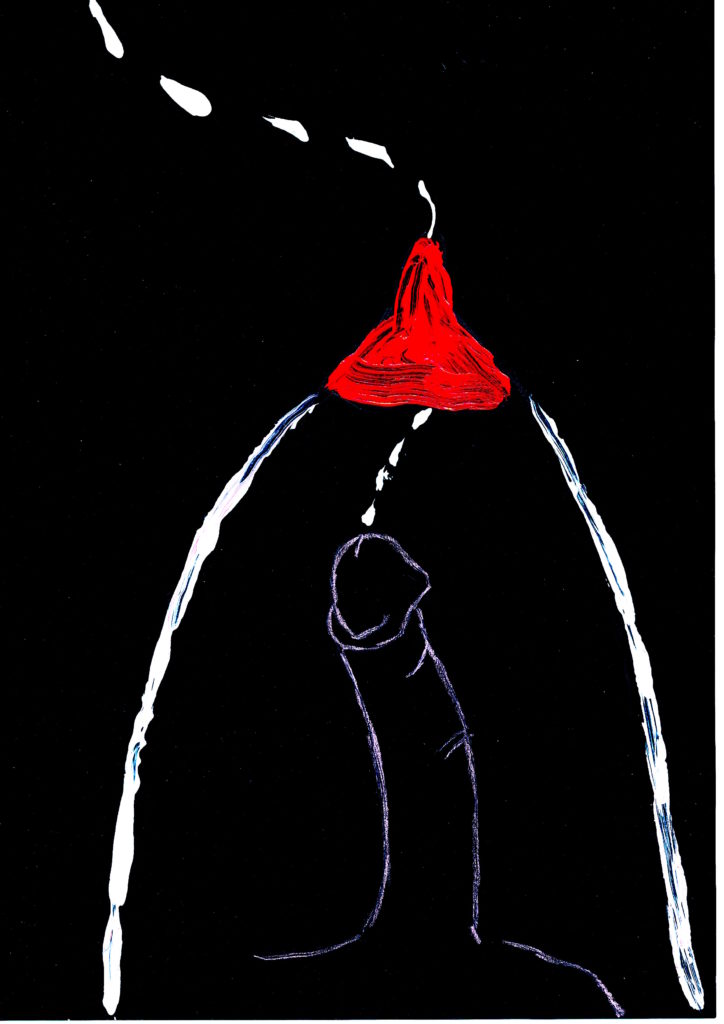
It was not feminine to make poetry | Það var ókvenlegt að yrkja: Hugleiðingar í kjölfar viðtals við kvæðakonuna Ásu Ketilsdóttur
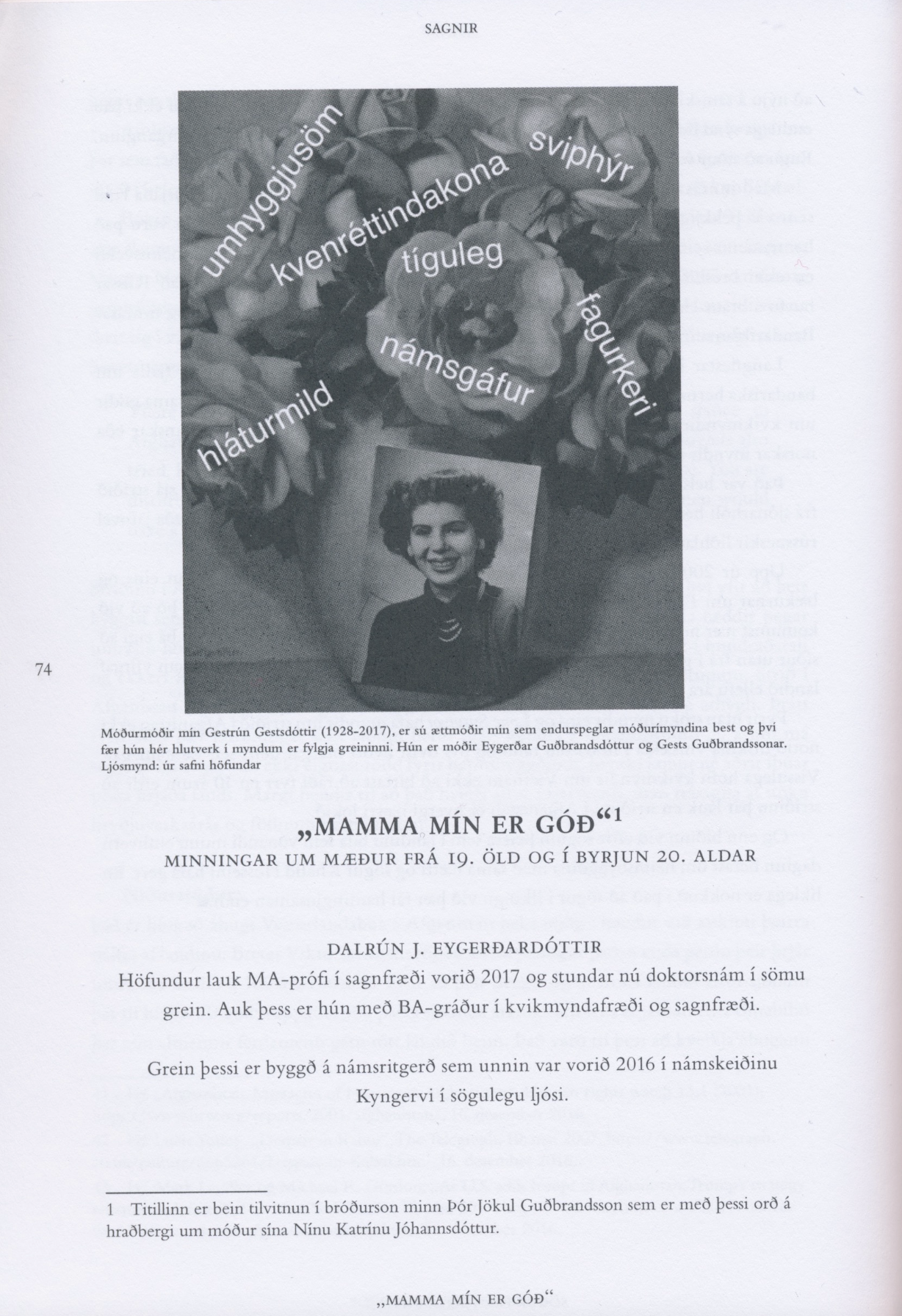
“My Mother is Kind”: Memories about Mothers from the 19th and early 20th century. Sagnir 32 (2018), pp. 74-95. „„Mamma mín er góð“. Minningar um mæður frá 19. öld og í byrjun 20. aldar” – See
The expression of past women | Íslenskir svannasöngvar